
Ensuring electrical safety in commercial environments is a top priority for businesses in Northern Colorado looking to protect their employees and assets from potential hazards. The National Fire Protection Association (NFPA) 70E standards play a pivotal role in establishing guidelines and best practices for promoting electrical safety in the workplace. In this blog post, the team at Bret’s Electric will delve into the impact of NFPA 70E standards on commercial electrical safety, highlighting the importance of compliance, training, and adherence to these crucial industry regulations.
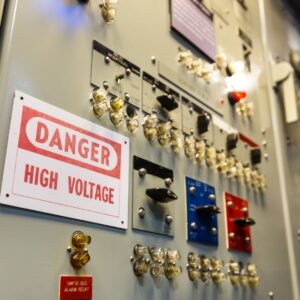
Understanding NFPA 70E Standards
The NFPA 70E standard, known colloquially as “Standard for Electrical Safety in the Workplace,” sets forth requirements for safeguarding employees from electrical hazards while working on or near energized electrical equipment. It outlines safety practices, procedures, and training requirements to mitigate risks associated with electrical work and establish a culture of safety within commercial settings. NFPA 70E is designed to protect workers from arc flash incidents, electrical shocks, and other workplace hazards by providing clear guidelines for electrical safety programs, personal protective equipment (PPE), and maintenance procedures.

NFPA 70E’s Impact
Adhering to NFPA 70E standards has a significant impact on commercial electrical safety by reducing the likelihood of workplace injuries, fatalities, and equipment damage due to electrical incidents. By following the guidelines outlined in NFPA 70E, businesses in Northern Colorado can create safer work environments, improve operational efficiency, and ensure compliance with regulatory requirements. Implementing NFPA 70E standards enhances the overall safety culture within an organization, empowering employees to identify and mitigate electrical hazards, follow established safety protocols, and contribute to a secure work environment.
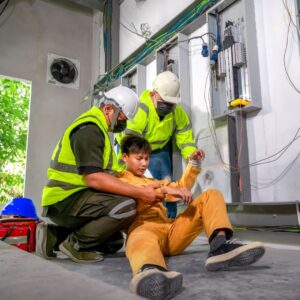
The Importance of Electrical Safety Training
One of the critical components of NFPA 70E compliance is providing adequate electrical safety training to employees who work with or around electrical systems. Training programs should cover topics such as hazard recognition, arc flash awareness, electrical safety procedures, PPE usage, emergency response protocols, and equipment maintenance. By investing in comprehensive training programs, businesses can equip their employees with the knowledge and skills necessary to work safely around electrical hazards, reducing the risk of accidents and ensuring compliance with NFPA 70E requirements.
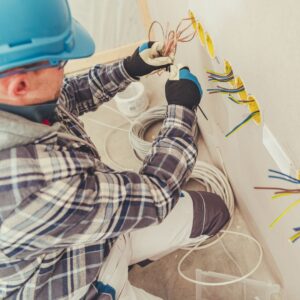
Our Adherence to NFPA 70E Standards
At Bret’s Electric, we prioritize electrical safety and regulatory compliance in all our commercial electrical projects. By implementing NFPA 70E standards and best practices, we ensure that our workforce is trained in electrical safety procedures, equipped with the appropriate PPE, and follows industry regulations to protect themselves and our clients’ assets.
Our commitment to upholding NFPA 70E standards enables us to deliver high-quality electrical services that meet the highest safety standards while minimizing risks and ensuring operational reliability for our clients. From our electrical system designs to our generator installations, we put safety first at all times. We also offer electrical consulting services in Northern Colorado to further provide peace of mind.
NFPA 70E standards ultimately have a profound impact on commercial electrical safety in Northern Colorado and beyond, setting the standard for workplace practices and procedures that safeguard employees from electrical hazards. By adhering to NFPA 70E guidelines, businesses can create safer work environments, reduce the risk of electrical incidents, and enhance overall workplace safety.
Prioritizing NFPA 70E standards is not only a regulatory requirement but also a crucial step towards establishing a culture of safety and ensuring the long-term success of commercial operations. To make sure your workplace is compliant, safe, and successful, contact Bret’s Electric today to schedule a consultation.